How to Build a Product for Your Independent Website
Premature optimization is the root of all evil. —— Donald Knuth
How to build an indie product? How to quickly get the entire payment process up and running?
As an indie developer who has already reached 3,000 RMB in revenue, what kind of experience can I share?
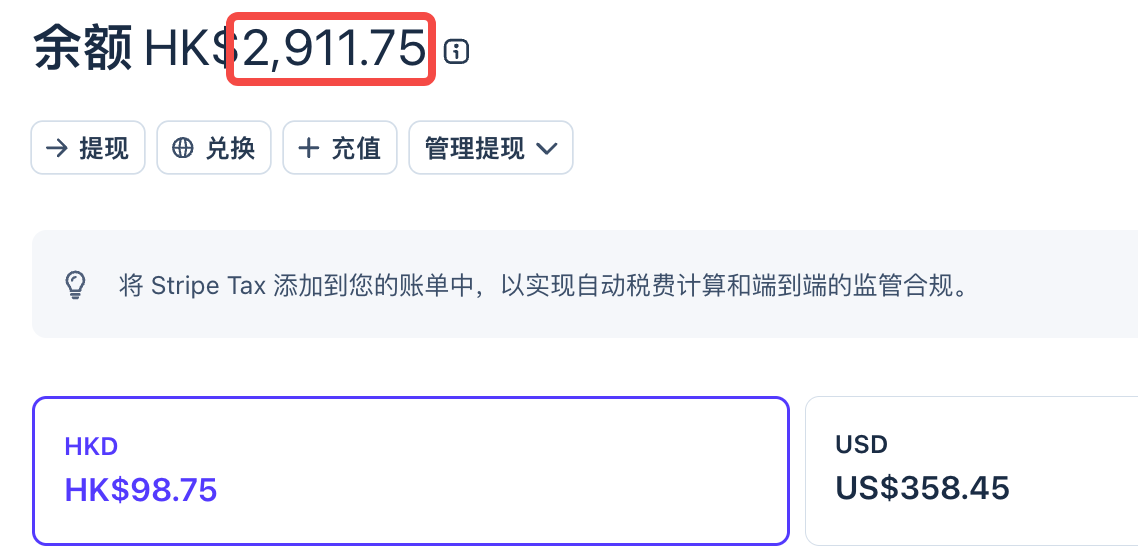
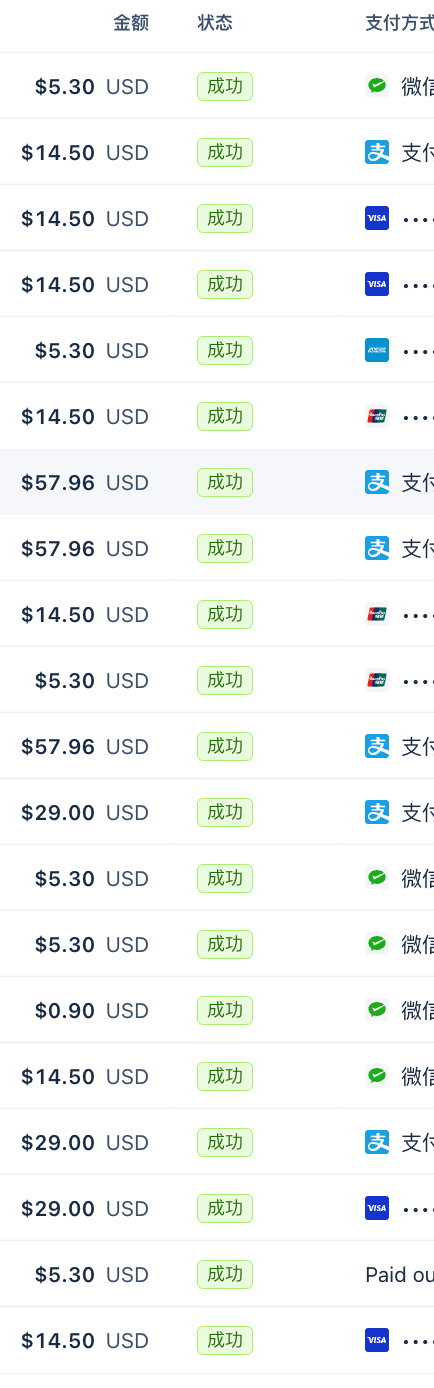 There are three main steps: mining demand, developing the product, and operations/promotion.
How to mine demand?
I have mainly used these 3 methods.
Mining demand through personal pain points
In daily work or life, if you encounter a problem and find that there aren't any great products on the market to solve it, you can build one. For example, during my previous work, I encountered a task related to images. After searching on GPT and Google, I found no high-quality tools for it. So, I built a SaaS, associated it with keywords, and operated it to the first page of Google.
New keywords
There are many channels for mining new keywords. Currently, I have practiced mining through new sites on Vercel; there is a record here: https://mp.weixin.qq.com/s/gKYuJxawM7Zsh3400DpcKw.
Existing products
Analyze existing products, find those with low ratings, and remake them. You can search on toolify.ai, the App Store, and Product Hunt. When you have spare time, spend less time scrolling through videos and more time browsing these platforms to find inspiration. When you find a potential product, you must conduct in-depth competitive analysis. Combined with tools like Google Trends, SEMrush, and affordablekeywords.com, analyze keyword difficulty and competitor backlink profiles to ultimately decide whether to enter the market.
Product development
This is currently the most equalized step. Because development is a highly logical act, it was also the first area to be conquered by AI. Whether you have 10 years of development experience or none at all, if you give a Claude Code or Codex to both, their efficiency in developing a product might be almost the same.
The only point I can suggest is to open two AI accounts and have them "fight" each other. I have been using Codex and Grok lately; for certain decisions or difficult parts, I have them review each other to improve accuracy.
For indie products, if you want to go global and earn USD, there are some ecosystems you should know about to help you launch cost-effectively.
Codebase and pipeline capabilities
GitHub is no stranger to programmers, but since it was acquired by Microsoft, its engineering capabilities have improved significantly, such as CI/CD pipelines, private repo expansion, etc.
Deployment platforms
Vercel is a serverless platform. When you are in the early stages of a startup and don't have many users, this platform is enough to support 100 indie websites. Bind it to GitHub, and as soon as you submit code, it will seamlessly deploy to production.
Cybersecurity
Cloudflare has overlapping capabilities with Vercel, but it has features Vercel doesn't: website security and domain registration. If you choose it, you can handle everything from your domain to website security. It can also be bound to GitHub for one-click deployment.
The Google "Big Four"
Google AdSense, Google Analytics, Google Search Console, and Google Trends.
Google AdSense is for Google ads; once integrated, your indie site can generate revenue based on traffic. However, it is getting harder to get approved. If you can't get approved, you can apply for Adsterra, which usually gets approved on the same day. Another advertising platform, Mediavine, is also good; you can try them as well.
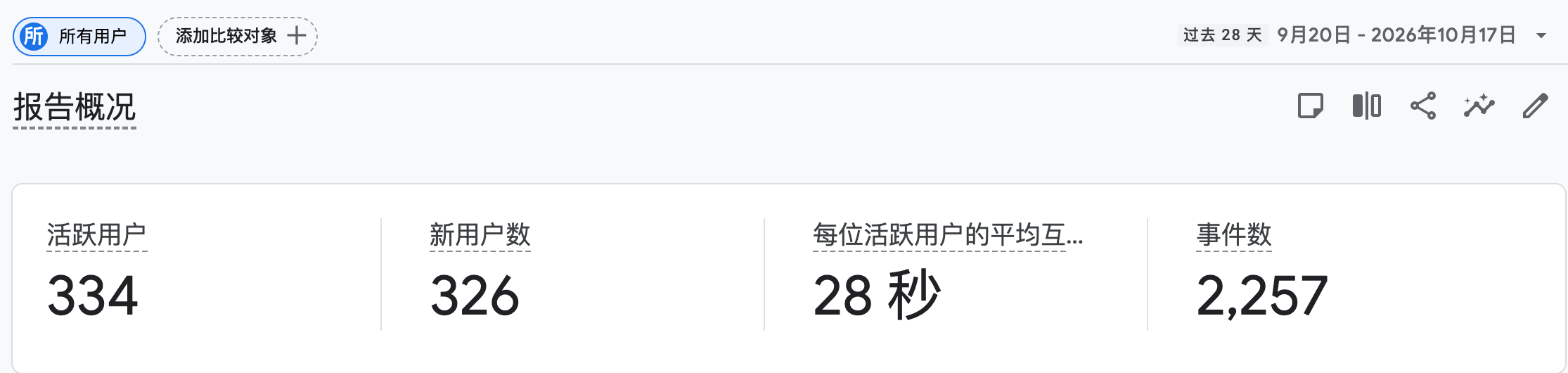
Google Analytics should be connected before launch; it is Google's statistical analysis tool, and it is enough for the early stages.
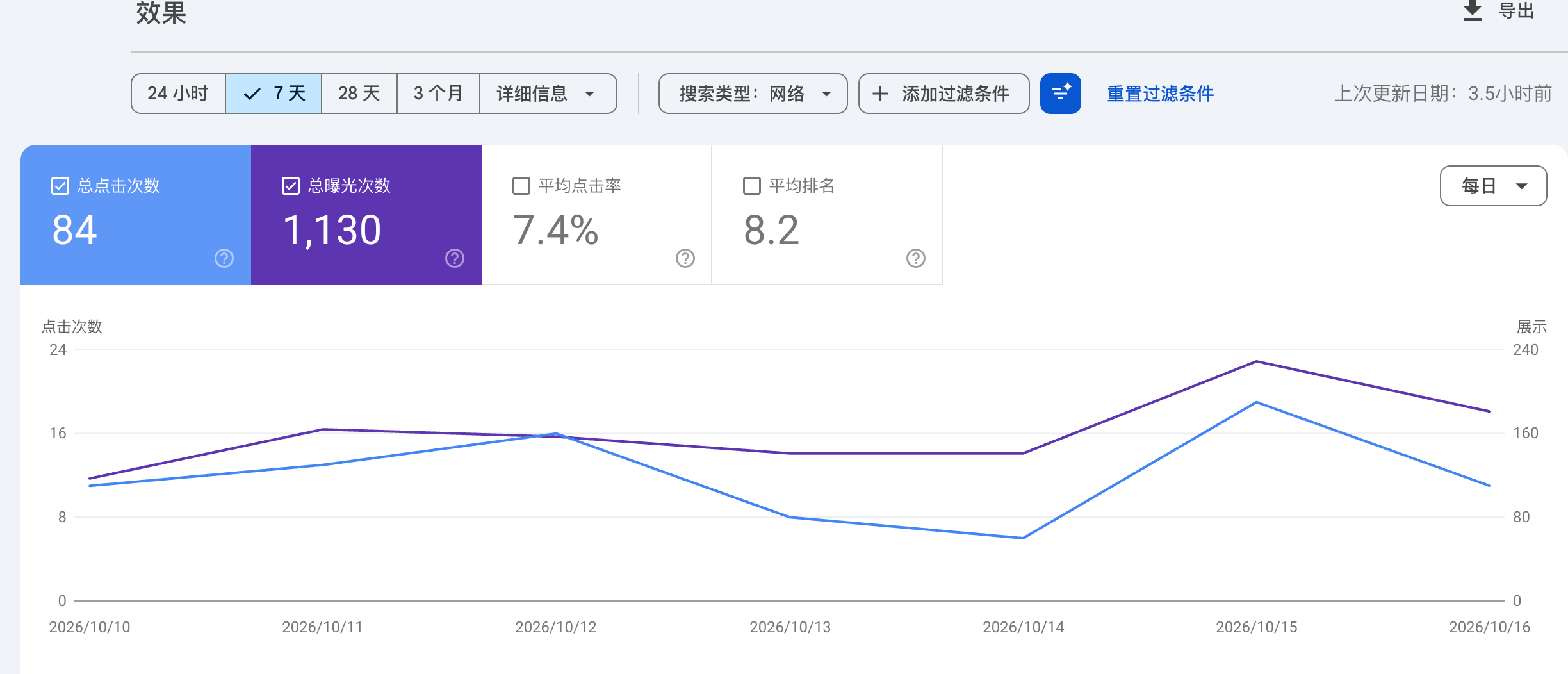
 Google Search Console is used to analyze traffic from Google, such as keyword rankings in search, average click-through rates, and other metrics.
 Google Trends is used to check search trends and search volume for keywords, and it can also determine whether a term is a "new" keyword.
Payment platforms
Stripe is a payment channel that supports global payments and can be applied for without needing to establish a company.
Operations and promotion
This mainly includes backlink building and social media sharing.
Backlink building
The number of backlinks is a very important indicator of SEO authority. The more backlinks you have, the higher your Google ranking. Therefore, in the early stages when your site's keyword rankings are low, backlink building is a must.
Social media sharing
Overseas, this is mainly on Twitter, Reddit, Medium, and YouTube; domestically, it is mainly on Xiaohongshu and Zhihu.
Twitter is getting stricter now. If you spam, your account will be banned. I have already had 3 accounts banned, so try to post original content.
Reddit is an authentic Q&A community. When your karma score is below 100, it is best not to promote your products, or you will be banned instantly. I have had 24 accounts banned, but I keep creating new ones using anonymous emails. You can put your product information in your personal bio, which will still bring in a lot of traffic. Comment and post more to increase your karma; there will be plenty of traffic visiting your profile.
Pinterest is a very good community. It mainly generates inspiration through images, but it can also bring in traffic, and it doesn't require high timeliness. Recently, I have been focusing on using this to promote my indie products. It has many advantages that other social media platforms don't:
- It allows external links. You can create images that solve problems, then add a link that redirects to your indie product;
- It has very low requirements for timeliness. Content posted two years ago can still bring in a lot of traffic. Compared to communities like WeChat Official Accounts that require high timeliness, this advantage is excellent and truly helps you build passive traffic;
- Create deep content in image format. Compared to short videos—where many people feel happy while scrolling but find they gained very little or the effort-to-reward ratio is extremely low—images are static content. They can embed deep text content while having multimedia visual impact. This is very effective for attracting users, and the deep content can be hosted on a blog; if users are interested, they can click through to learn more;
- Inspiring. From its inception, it was designed to inspire people. If you encounter difficulties or lack direction in your work or startup, searching by keywords on Pinterest should quickly help you find inspiration. Besides inspiration, I believe you will have many unexpected gains.
Medium: If you like to use blog formats to promote your product, Medium is a great platform, and it carries very high authority on Google.
Follow these three steps—mining demand, developing the product, and operations/promotion—and combine them with the methods and platforms introduced above. Iterate and execute, and you will soon complete the closed loop of indie development.